The Facebook Group Behind the BBC’s «Prog Rock Prom»
You’ve got to keep things flying
Keith Emerson
Few platforms have changed as much as the veteran Facebook. Anyone with internet access who is over thirty-five today will remember that the network was born as a shop window for private lives aimed at the youth of the early 2000s, with personal profiles where people posted photographs with no greater ambition than to replicate the old family album; the one that used to be pulled down from the shelf whenever visitors came round.
Two decades on, while today’s young people are busy dancing and putting on (bad) performances on TikTok and its derivatives, those who stayed behind — a notably older demographic — found in Mark Zuckerberg’s original network a purpose quite different from the one that gave rise to it.
And so, using the platform’s group tools, closed and semi-open communities have taken shape, organised around niches that tend to echo the format of the old forums of more than twenty years ago. We at ProgJazz, who began life as a forum in that very era, know this well.
Where music is concerned, an instrument, a subgenre, a musician, or a single band is enough to start a group of enthusiasts. Rarities are shared there, pressings are debated, facts are corrected, and a daily conversation is sustained.
It is not unusual for members of the bands in question to visit these groups themselves, to greet them, or to use them for announcements, validating them entirely as a kind of update on the old postal fan clubs.
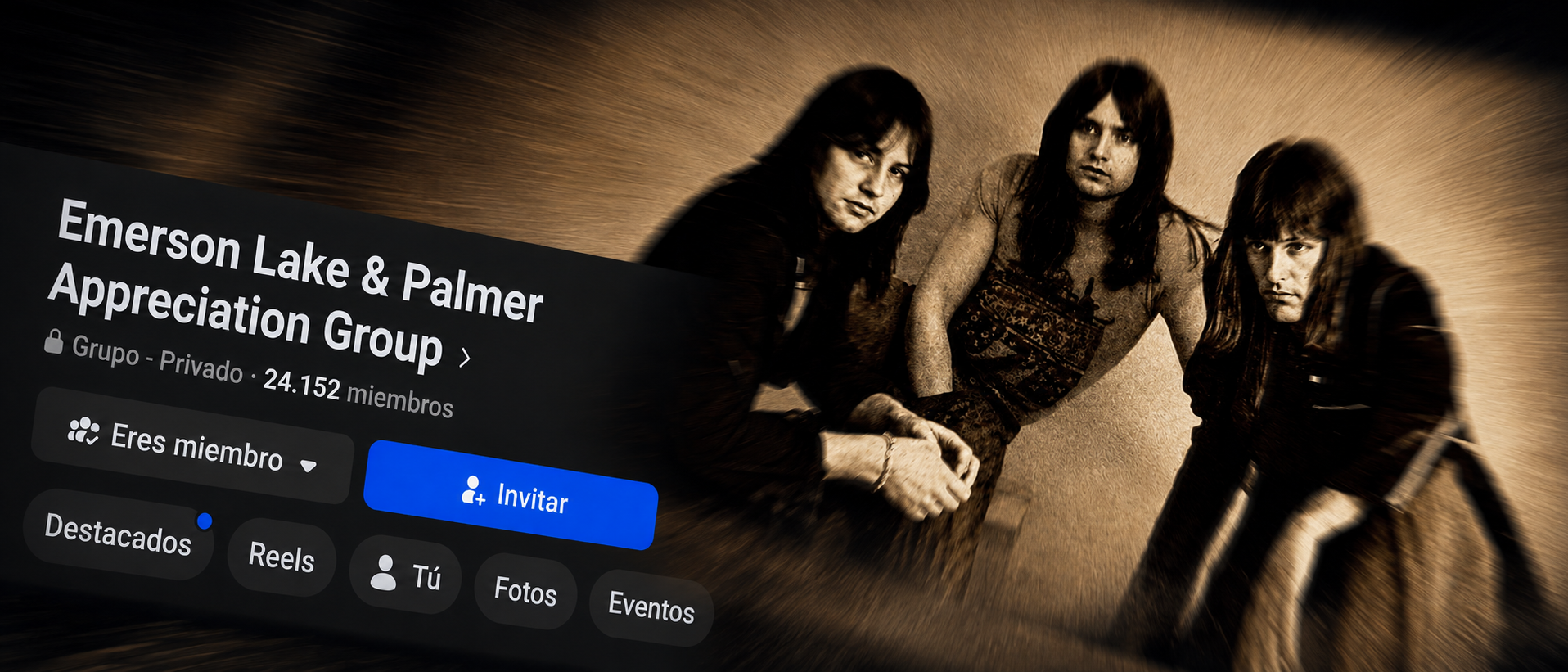
The Emerson, Lake & Palmer Appreciation Group, or ELPAG, as its administrators call it, belongs to this description. It now has more than 24,000 members scattered across the world, with a thoroughly active base.
A body of people that size, given motivation, can achieve a great deal. From securing greetings from the musicians themselves to moving one of the largest public broadcasters in the world, the BBC, to inspire the celebrated «Prog Rock: A Fanfare for the Common Man» with Carl Palmer on drums; a concert that sold its nearly 6,000 tickets in a matter of hours and has since had an enormous reach across the channels of every specialist progressive rock outlet.
We spoke to those behind the feat, and this is what they told us.
Five people and a team effort
The Proms (short for Promenade Concerts) are an annual series of concerts dating back to the late nineteenth century, conceived to bring art music to a mass audience. The BBC would take them over in 1927, and from then on they became known as the BBC Proms.
Traditionally centered on classical repertoire, the Proms have in recent decades broadened their programming towards other genres, taking in jazz, film music, contemporary composition, and, increasingly, hybrid propositions.
The festival is held principally at the Royal Albert Hall with the BBC Symphony Orchestra and draws hundreds of thousands of attendees each year, in addition to a global audience through its radio, television and digital broadcasts.
At some point in 2024, on the ELPAG feed, someone mentioned in passing that Sam Smith (the well-known non-binary British artist) would be appearing at the BBC Proms.
This lit a question that had been floating around for years without ever quite being asked. If the most prestigious orchestral concert series in the United Kingdom -and one that bills itself as the largest classical music festival in the world- had room for contemporary pop, why had it never had room for a band like Emerson, Lake & Palmer?
That had to change.
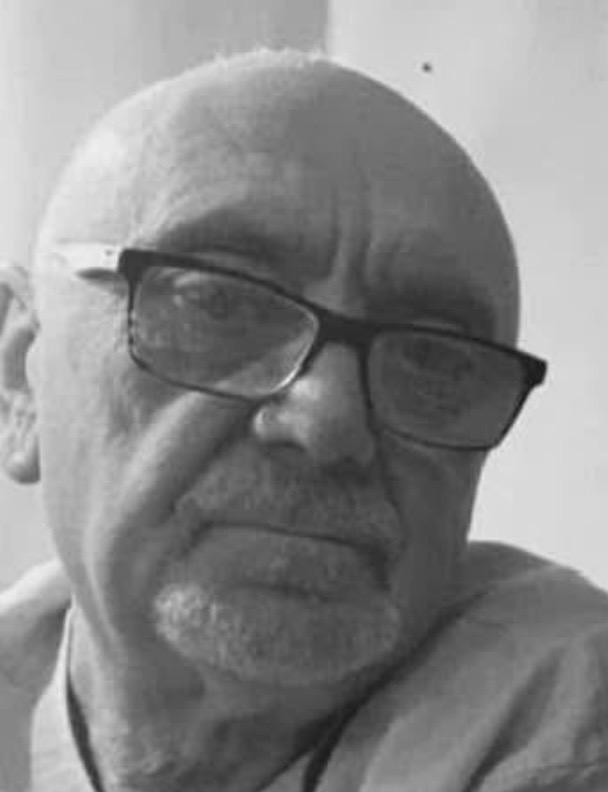
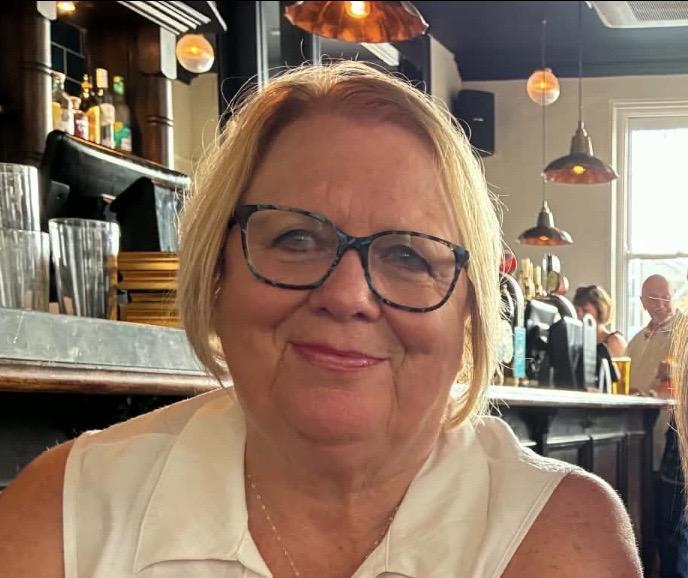
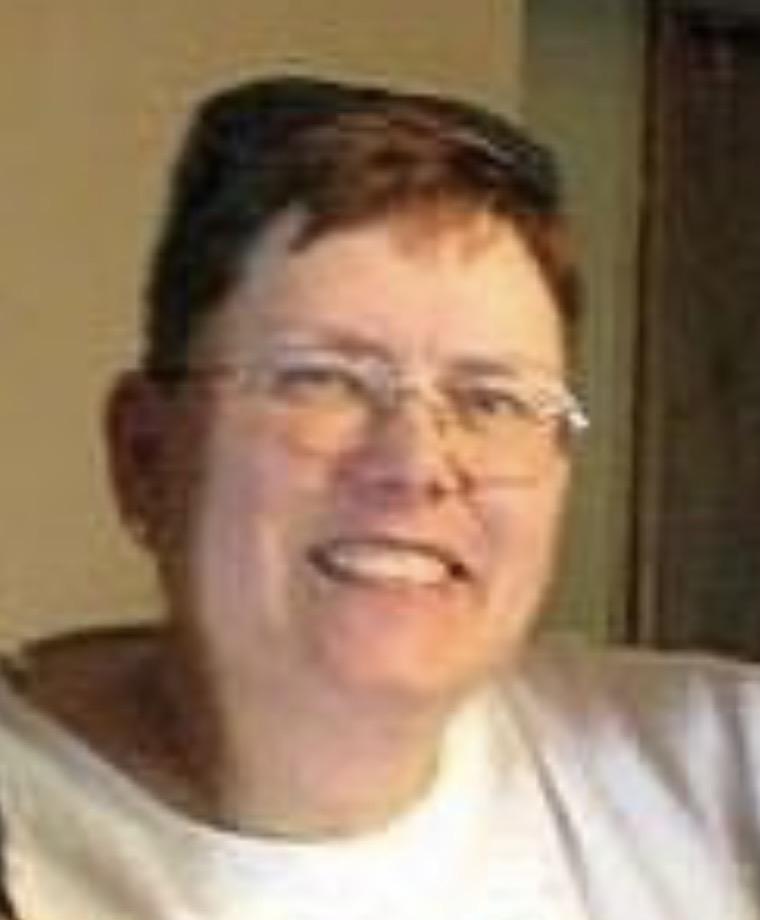
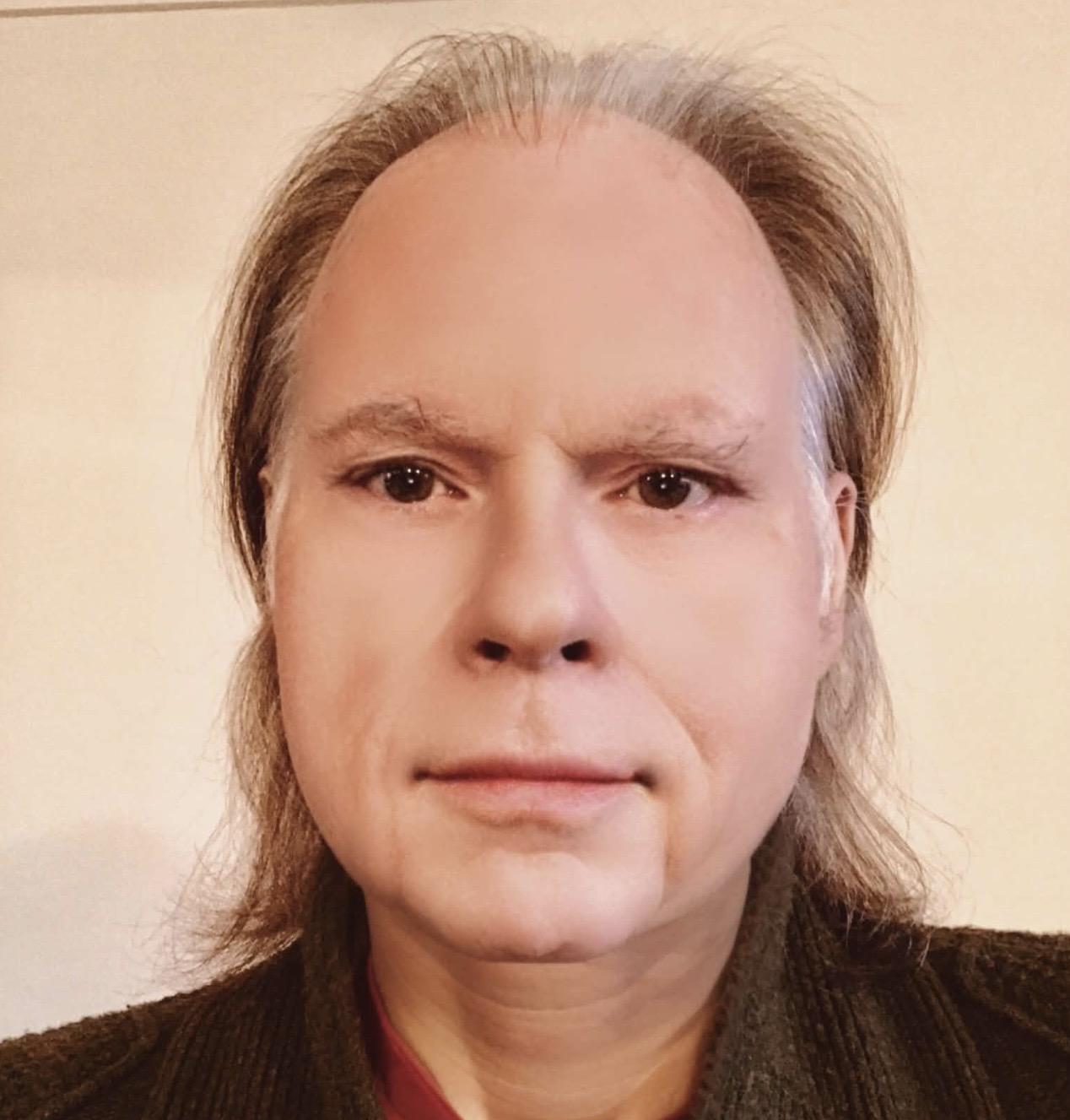
The team that carried the campaign forward is made up of five administrators of the group, each with a defined role. Andrew Green is the founder of ELPAG and its social media admin; he runs numerous music groups and brings a considerable network of contacts for spreading the petition among like-minded communities. Gillian Cowley, UK Liaison Admin, took charge of finding any available avenue of promotion and of keeping the rest of the team informed. Gary Hunt, Communications Director, was the one who drafted and sustained the correspondence with the BBC.
Phillip Mars, creative visual director and graphic designer, produced the campaign’s visual materials, recently passed on to Mari Kawaguchi, Keith Emerson’s partner, for her to use as she sees fit. For her part, Deborah Steele, USA Liaison Admin, brought the American perspective and a spread of working hours that allowed the group to operate around the clock.
We played to each other’s strengths. The one thing we all do is keep each other going. We went through every emotion, from frustration to elation and everything in between. There were moments, over more than two years of campaigning, when we felt like giving up.
ELPAG Team
The naivety of the beginning
The idea for the petition came out of a three-way conversation between Gillian, Gary, and Andrew. Gary had previous experience setting up petitions, so he turned to Change.org and set about giving it shape. Days later they presented it to the group.
«We were up and running,» Andrew recalls.
What followed was a lesson in the distance between wanting to do something and the logistics of actually achieving it. «We were very naive about how much time it would take up,» they admit. «People think it’s dead easy: set up a petition, get the signatures, send them off… and that’s that.«
With more than 23,000 members scattered across the planet at that point, and with wildly differing levels of digital literacy, the problems appeared quickly. Weeks had to be spent persuading members that the petition site was safe; many feared ending up flooded with fraudulent emails or having their data stolen.
As part of the signing process on Change.org, a donation is always requested, and more than a few understood this to be compulsory and refused. The team had to repeat over and over that it was a voluntary contribution.
Then came the cultural gap, since a significant proportion of the group lives in the United States, where the Proms mean next to nothing. It had to be explained what they are, how they work, and why exposure in that format would carry ELP’s music to a far wider audience.
One American member summed it up with a line the team still quotes: «Proms means what you have after graduation.» This is where Deborah Steele’s presence proved decisive.
And there was one obstacle they did not see coming: politics.
«There were people who didn’t want to sign because it was organized by the BBC. We were labelled leftists, rightists, and every kind of -ist.» Although the majority, they are keen to clarify, signed with enthusiasm, and gave them encouragement.
And so, in September 2024, Gary Hunt began writing to Sam Jackson (Controller of BBC Radio 3 and the Proms) and to Hannah Donat, Director of Artistic Planning, after at least six prior months of strategy.
At first the response was courteous and matter-of-fact, though slightly dismissive. That’s understandable, since Sam and Hannah must receive hundreds of «helpful suggestions» and concepts every day, and I imagine the first attempts met with stock replies.
Gary Hunt
Gillian confirms this from her own angle: «I wouldn’t say the comments were very encouraging at first. We were getting standard replies, nothing that said categorically that they were interested.»
For the first proposal, they had created two straplines designed to catch the eye: «ELP at the BBC» and «Prog at the Proms.» The answer came back that the content of the 2025 Proms was closed and the concerts full.
That was where they grasped the real scale of the problem. Proms producers work at least two years ahead. Their first proposal had not been rejected; it had simply arrived late.
Gary pressed on with an argument that rested on two pillars. That what Keith, Greg, and Carl had written and achieved deserved careful examination, and that prog deserved a reappraisal free of the prejudices accumulated over decades of hostile critical comment.
«I can only assume they reviewed ELP’s work and history,» he says.
The petition was not taking off; it hovered around 2,000 signatures and would eventually close at 2,324, a figure the team itself describes bluntly as low. It was then that Gary proposed that, rather than asking for signatures, the better course was to invite members to write to the BBC directly.
They never found out how many did so, but the British corporation’s attitude changed. «By the time we submitted the second proposal, the responses were noticeably more positive,» Gillian says. «One thing you don’t get is a definite yes. It’s more ‘we’re considering it’ and ‘we’re looking into it. ‘You have to read between the lines.»

The implicit answer
The agreement came in February 2026, and during April came the public announcement that the second night of the Proms, on 18 July 2026, would feature a «Prog Rock Prom» with the DJ, broadcaster and journalist Stuart Maconie as curator, Robert Ames as conductor, and Guy Garvey of Elbow as the evening’s most prominent singer.
I was watching a morning program, and there was a segment on the Proms. The Prog Rock Proms was mentioned… I nearly spat my coffee out.
Gillian Cowley
The final programme brought three ELP pieces and a medley of progressive rock songs by bands including Jethro Tull, Genesis, King Crimson, The Moody Blues, Renaissance, Mike Oldfield, Pink Floyd, Frank Zappa, Focus, Osibisa, The Incredible String Band, Soft Machine, Yes, Van der Graaf Generator (with Peter Hammill present), Supertramp and Gentle Giant. It was not the full show they had dreamed of for the trio, but rather a tasting menu of the genre as a whole.
«We would take it,» the team says.
On the repertoire, they were not consulted at any point, and their response to that makes a good deal of sense: «And why should they? The BBC has its experts. How do you get 24,000 ELP fans to agree on three tracks?«
The second fight, and the complete victory
The euphoria lasted until the detail emerged that the BBC intended to record the orchestral concert in audio only, so Gary wrote again. The reply mentioned that the funds were allocated, that only a certain number of concerts could be filmed, and that the list was already closed.
«If you know ELP’s history, there are very few shows captured on video, and it looked as though history was repeating itself,» Gillian notes. And so, much as «Tarkus» cranks its war machine into motion across that twenty-minute epic, the ELPAG machine started up again, this time with a campaign of complaints.
All the members then wrote to the producers demanding that the concert be filmed.
Roughly two weeks before the date, the BBC reversed its decision and resolved to record everything on video. One factor the corporation itself had not anticipated also weighed on the outcome: the concert sold out before the end of the first day of sales, one of only five in the season to do so.
Even so, the team is modest when it comes to claiming credit.
We don’t know for certain whether it was us who moved the BBC to stage the Prog Rock Proms; the BBC never gave us that information. What we can say with certainty is that we made them change their minds about recording the concert. It would not have happened if ELPAG members hadn’t pushed. We can be proud of that.
ELPAG Team
There were, of course, no invitations to meet Palmer or Maconie. There was, on the other hand, a gathering at a nearby pub with members of the group who had travelled in from different places. «That was priceless. They understood the work it had taken» Gillian says.
It felt somewhat unreal to be sitting in the Royal Albert Hall waiting for it to start. When «Fanfare» began, I was overwhelmed by the power of the orchestra. The lovely thing was seeing Carl, visibly enjoying himself. At one point I looked around, with the hall packed to the rafters, Carl in his element, and I thought of Keith and of Greg. I felt the tears beginning. It was wonderful. Prog WAS at the Proms!
Gillian Cowley
Andrew Green, the founder, experienced it with his daughter and son-in-law: «I had never seen ELP play ‘Fanfare’ live. And it would be the eight-minute version, not the three we were used to. I felt history was being made, and that part of my family was there to live it with me.«
Among the testimonies the team gathered, these capture the mood in the Albert Hall. We reproduce them all here as a record of that moment:
The opening bars sent a shiver through me, an almost unbearable feeling of excitement at what was coming
Christopher Holmes
A glorious setting for majestic music, and having Carl Palmer there was incredible. He was a young man again, with a huge smile. Fanfare… wow, incredible!
Michael John Staggs
There was enormous anticipation among people who shared the same passion, gathered in that magnificent auditorium. And then Fanfare began, the opening percussion and those chords… I was sitting close to Carl, and you could feel the energy he was playing with. It was where he belonged! What an extraordinary experience we all shared!
Penny Reynolds
We were sitting right above Carl in the choir. It was thrilling to watch the master from so close! When Fanfare began, I got goosebumps, and I ended up in tears when the keyboard player started his solo.
Jane Armstrong
Hearing such magnificent music in such a wonderful atmosphere and in such a beautiful place was an experience I will NEVER forget
Tarkus Iddfb
The performances of Fanfare and Gates were electrifying, but my favorite moment was hearing Greg’s voice on Welcome Back at the start of the second half. I very nearly burst into tears
I watched Fanfare on television, and it made me cry. What a moving moment!
Bryan Christophersen

Keeping Things Flying
The team, far from resting on its laurels, is already running its new campaign to bring Keith Emerson’s «Piano Concerto No. 1«, from «Works Volume 1» (1977), to the 2027 Proms, coinciding with its fiftieth anniversary.
The pianist Jeffrey Biegel, to whom Emerson gave written endorsement to perform the work, approached the BBC. The answer was that the 2027 programming is, in their words, «rammed.» The new horizon is 2028.
The team explains why they persist:
«Getting Keith’s orchestral works played would be like fulfilling a promise to him. He always wanted to be recognized as a composer. In fact, «composer» is the word written at his resting place. If we manage it… we grant him his wish.»
To anyone who doubts that a group of organized enthusiasts can move an institution of that size, the five of them answer with the simplest possible formula. Sign the petition, join the group, and they will take care of the rest.
«We have the experience, the contacts, and the determination.» What is needed, they insist, is persistence, patience, and an understanding that the BBC’s calendar is written years in advance.
Or, as Keith Emerson used to say, and as it appears at his final resting place: You’ve got to keep things flying.
You can sign the new petition by clicking here.
ProgJazz thanks Gillian Cowley, Andrew Green, Gary Hunt, Phillip Mars, and Deborah Steele, of the Emerson, Lake & Palmer Appreciation Group (ELPAG), for the time and generosity with which they answered our questions. The testimonies were gathered and translated to Spanish by ProgJazz.